
1975

50 YEARS of quality, reliability and pioneering spirit — Josef Fliegl senior learns the profession...
1977
Everything in one place... the production workshop in Kastl A look into the beginnings: The...
1978
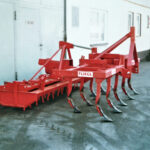
Introduction of the first two-deer cultivator — heavy cultivators are in vogue. The sole proprietorship Fliegl...
1979
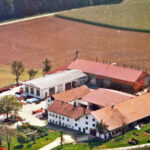
In-house exhibitions: The beginning of a success story — The illustration from 1978 shows the...
1980
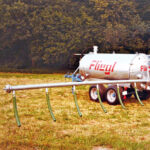
Slurry application at the beginning of the 1980s — At the beginning of the 1980s, slurry was spread...
1983
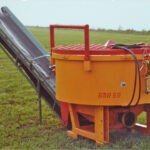
Presentation of the first concrete mixer — Agriculture is investing more and more in residential and...
1984
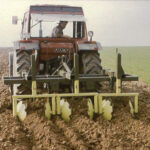
Start of production of the professional roller — Agriculture is investing more and more in residential and commercial buildings....
1986
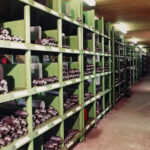
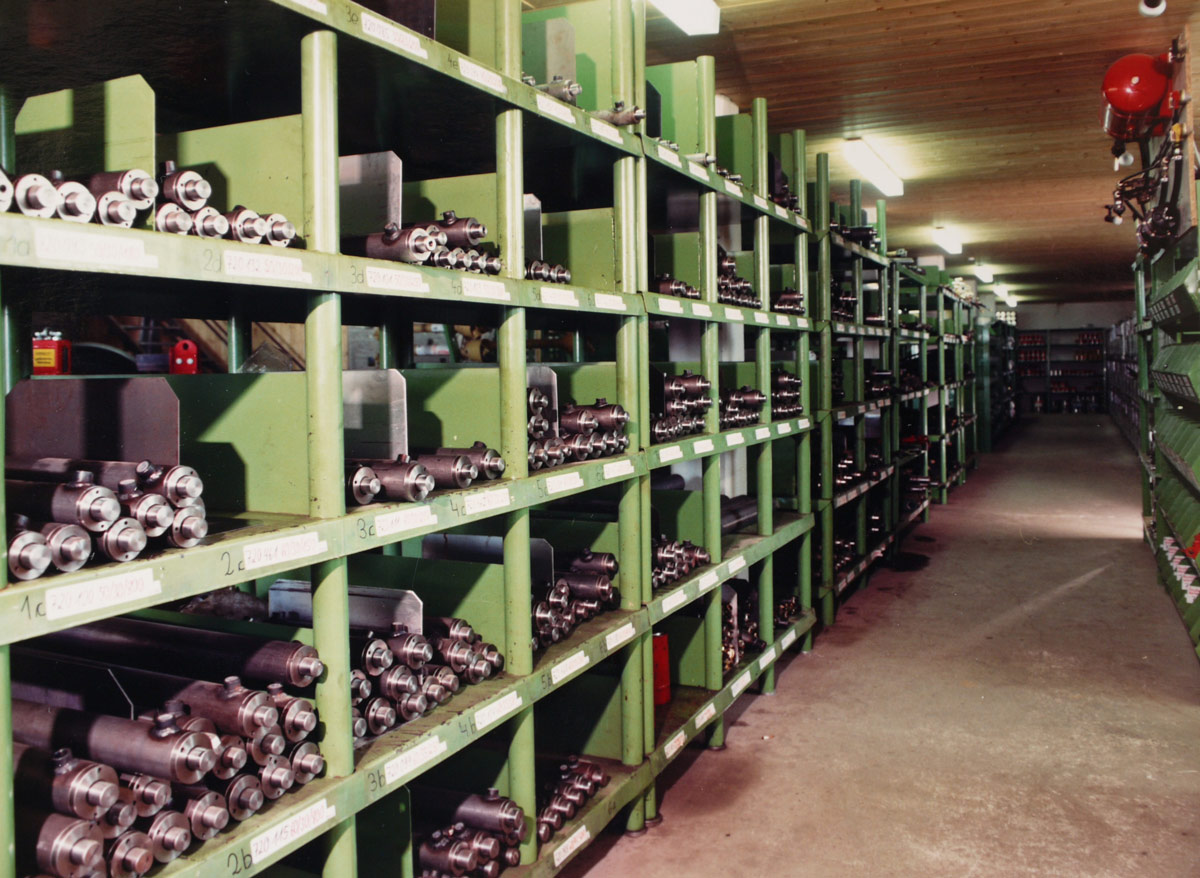
Warehouse organization in Kastl — In the early 1980s, the organization of inventories was...
1987
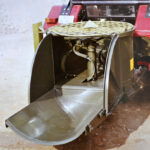
World first: Mixer master with automatic filling system — A milestone for Josef Fliegl senior: He reports...
1988
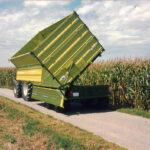
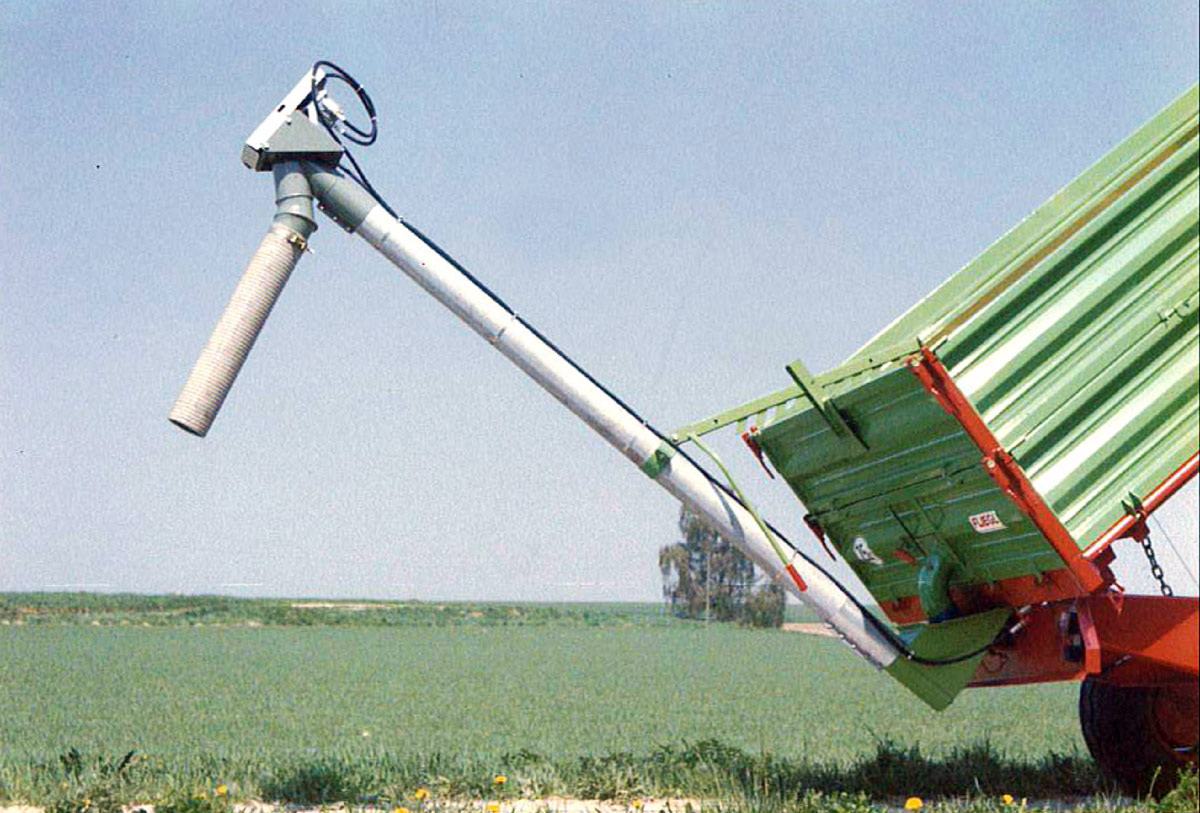
Presentation of the Class 88 tipper — Agriculture means more and more transport. The establishments...
1989
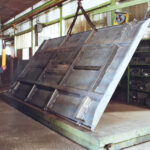
Working and living in the workshop — agriculture means more and more transport....